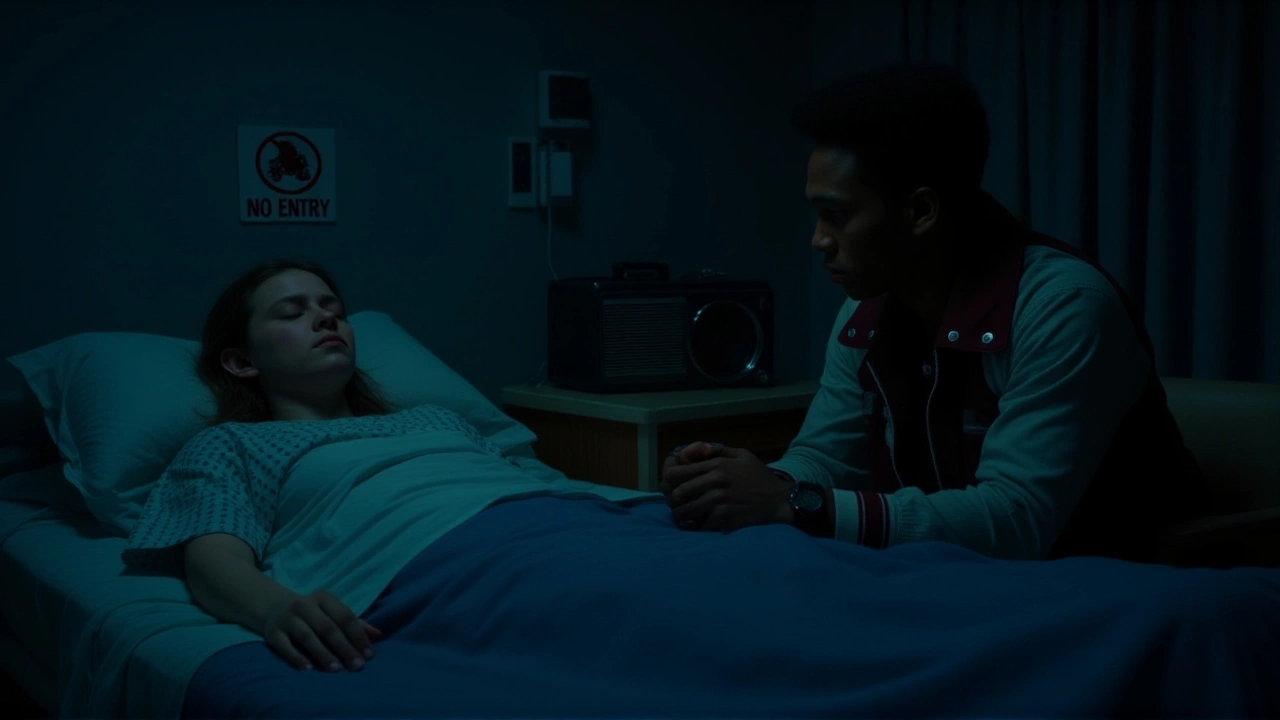
When Max Mayfield slipped into death’s threshold during the Stranger Things Season 5 Volume 1 finaleHawkins, Indiana, the world didn’t end. But something far stranger did: a fourth gate to The Upside Down cracked open—not by force, but by grief. And for the first time, the show’s most terrifying villain, Vecna (real name Henry Creel), couldn’t follow.
Why Hopper Would Die for Eleven
Jim Hopper didn’t just risk his life to save Eleven—he walked into the fire knowing he might not come back. The reason? Flashbacks to his daughter Sarah Hopper, lost years ago to cancer. That pain never left him. And now, watching Eleven—his adopted daughter—stand alone against Vecna, he saw Sarah’s face in her eyes. He didn’t want history to repeat. So he took the bullet. Or rather, he took the fall. Literally. His sacrifice wasn’t just tactical; it was emotional armor. He’d already lost one child. He wouldn’t let Eleven become another.Max’s Curse and the Power of Kate Bush
Max Mayfield didn’t just get hurt. She got trapped. Vecna’s curse doesn’t kill—it loops. It drags victims back to their worst moments, over and over, until their mind breaks. For Max, that was the day she was attacked in the woods, the day her life fractured. But here’s the twist: the curse has a blind spot. It can’t reach places where Henry Creel never went. Like the caves beneath Hawkins. And when Max, barely alive, heard Kate Bush’s "Running Up That Hill" echoing from Pennhurst Memorial Hospital, something shifted. Lucas didn’t just play music—he summoned memory, not as a weapon, but as a lifeline. The song became her compass. It pulled her back to the caves, the one place Vecna couldn’t touch. She died for a moment. But she didn’t stay dead. Something called her home.Vecna’s One Weakness: The Caves
Why couldn’t Vecna follow Max into the tunnels? The answer isn’t magic—it’s trauma. Henry Creel, once a child prodigy at Hawkins Lab, was shaped by isolation, fear, and the dark corners of his own mind. The caves? They’re not just rock and dirt. They’re the place where he first felt powerless. Where he was abandoned. Where his descent into Vecna began. And now, decades later, those same tunnels are the only place he can’t enter. It’s poetic. His greatest power is also his greatest prison. The show hints this isn’t coincidence—it’s karma. The same place that broke him now protects those he seeks to destroy.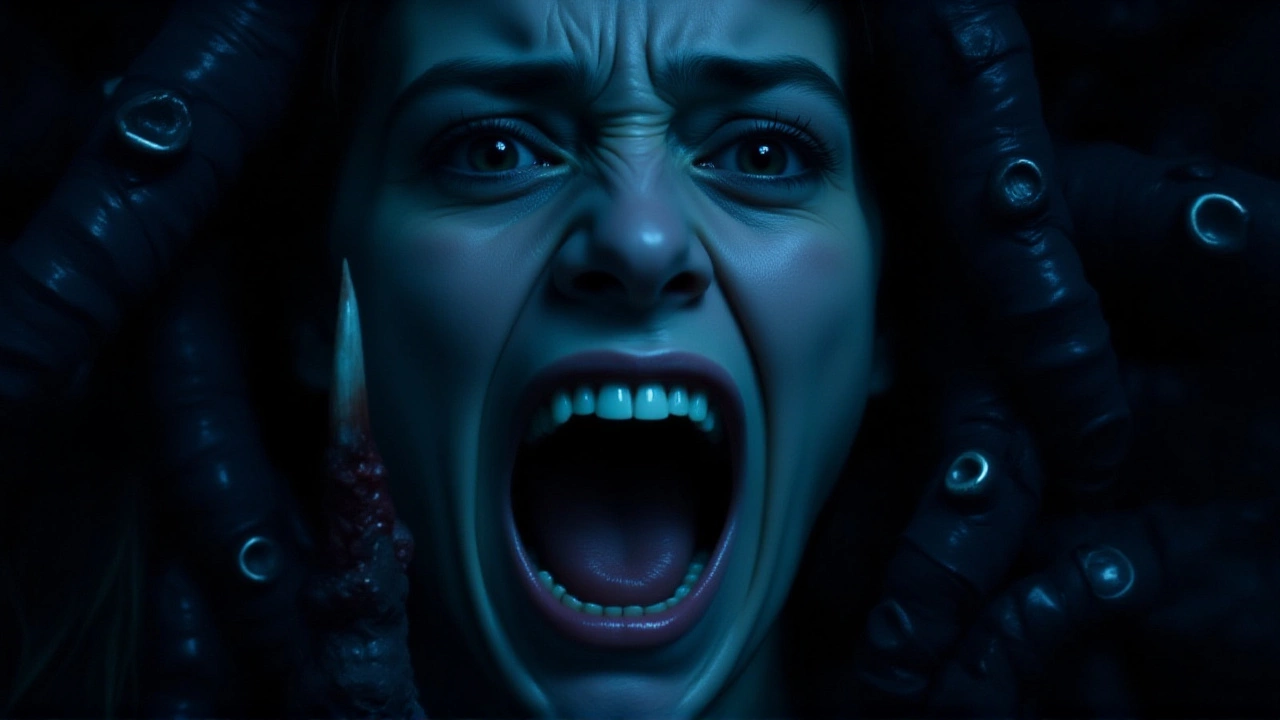
Steve’s Proposal and the Shadow of Death
There’s a quiet moment in Volume 1 where Steve Harrington stares at a ring box. He’s thinking about Nancy. About a future. About saying the words he’s never said out loud. But in a show where love letters are often last words, this isn’t romantic foreshadowing—it’s a death sentence. The pattern is too clear: characters who find peace just before the final battle rarely survive it. Remember Will’s quiet moment with his mom before the Mind Flayer took him? Or Eleven’s last hug with Hopper before the lab? This isn’t just setup. It’s elegy. And if Steve dies proposing? It won’t be tragic. It’ll be heroic.The Fourth Gate and What It Means for Season 5 Vol. 2
Four gates. Four deaths. Four chances for The Upside Down to bleed into our world. Max’s temporary death opened the last one. That’s not a coincidence—it’s a countdown. The show’s been building to this since Season 1. The Mind Flayer needed bodies. Vecna needed pain. Now, with all gates open, the barrier between worlds is paper-thin. And Will Byers? His connection to The Upside Down, first seen in Season 2, isn’t just lingering—it’s awakening. He’s not just a bridge anymore. He’s becoming part of the architecture. And if the final season follows the rules this show has set, the only way to close the gates is to sacrifice someone who belongs in both worlds.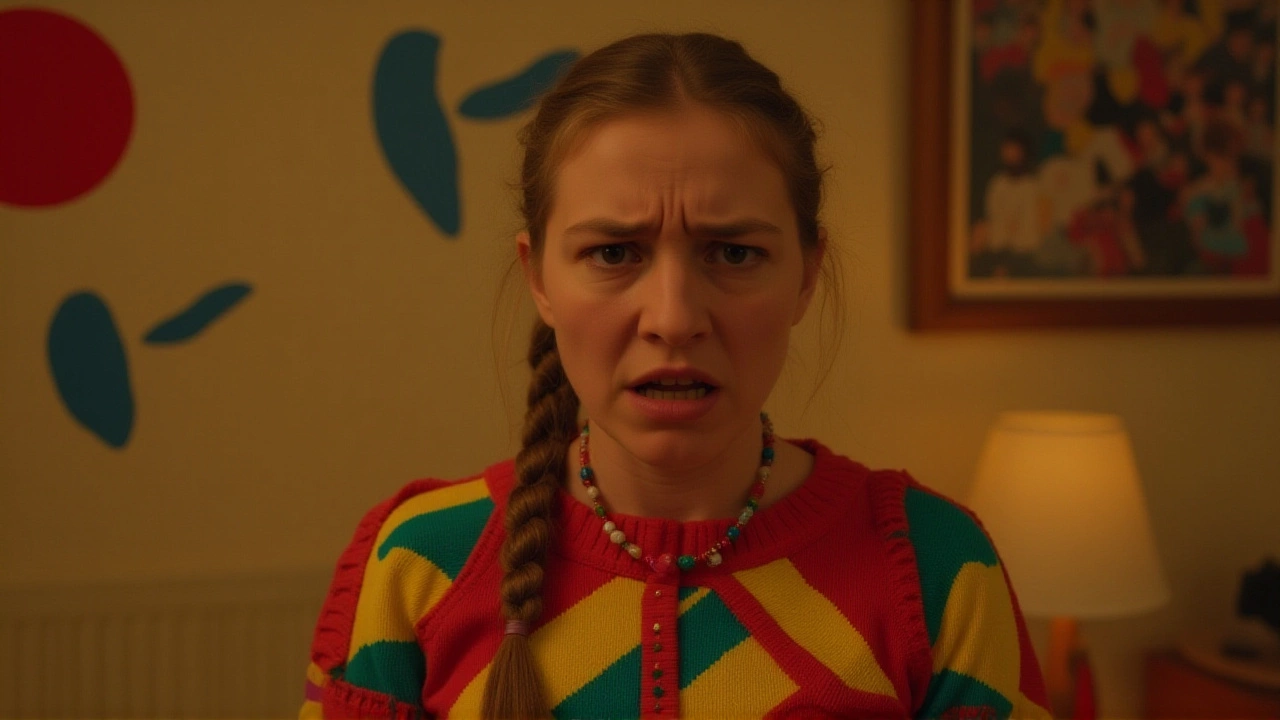
Why This Ending Feels Like a Funeral
Volume 1 didn’t end with a bang. It ended with silence. Max in a coma. Hopper gone. Steve holding a ring. Eleven staring at a photo of her dad. The music faded. The lights dimmed. It felt less like a cliffhanger and more like a eulogy. Because in Stranger Things, every victory costs something. Every life saved leaves another behind. The show’s always been about growing up in the shadow of loss. Now, the kids aren’t kids anymore. They’re adults facing the final battle. And the real horror isn’t Vecna. It’s knowing that no matter how hard they fight, some wounds never heal.Frequently Asked Questions
Why couldn’t Vecna enter the caves beneath Hawkins?
Vecna’s inability to enter the caves stems from his own psychological trauma—he was abandoned there as a child at Hawkins Lab, making it the one place where his control falters. The caves symbolize his vulnerability, and since his power draws from fear and domination, he can’t manifest where he felt powerless. This isn’t magical limitation; it’s emotional architecture.
How did Max return from death?
Max didn’t fully die—she hovered between worlds, tethered by the emotional resonance of Kate Bush’s "Running Up That Hill," played by Lucas. The song triggered memories of her happiest moments, creating a spiritual anchor that pulled her back. It’s not magic—it’s human connection overriding supernatural force, a recurring theme in the series where love proves stronger than psychic terror.
What does Will Byers’ connection to The Upside Down mean for the finale?
Will’s lingering link to The Upside Down, established in Season 2, suggests he’s becoming a living conduit—not just a victim. His body may be human, but his mind is partially woven into its fabric. This could mean he’s the key to closing the gates… or the final sacrifice needed to seal them. Either way, his fate is tied to the show’s central question: can you destroy a monster by becoming part of it?
Is Steve Harrington really going to die before proposing to Nancy?
The show’s narrative pattern strongly suggests yes. Characters who find peace right before the final battle rarely survive—think of Joyce’s quiet moment with Will before the Mind Flayer attack, or Hopper’s last hug with Eleven. Steve’s ring isn’t a promise of marriage; it’s a farewell. His death would complete his arc: from jock to protector, from outsider to family man, dying not for glory, but for love.
Why is Kate Bush’s song so important to Max’s survival?
"Running Up That Hill" isn’t just a song—it’s Max’s emotional anchor. Released in 1985, it’s about trading places with someone to understand their pain. For Max, it represents her desire to escape her suffering and be understood. When Lucas plays it, he’s not just reaching her—he’s echoing her inner plea. The song’s power comes from its emotional truth, not supernatural energy, making it the ultimate weapon against Vecna’s manipulation of trauma.
What’s the significance of the four gates opening?
Each gate corresponds to a major trauma in Hawkins’ history: the lab experiments, the Mind Flayer’s invasion, the death of Chrissy, and now Max’s near-death. With all four open, The Upside Down is no longer a parallel dimension—it’s a wound in reality. Closing them won’t require destroying Vecna. It’ll require someone to willingly become part of the darkness, sealing the gates from within. That’s the show’s tragic core: sometimes, healing means vanishing.